Products

Choosing the Right Water-Soluble Paper for Industrial Welding

Water soluble paper is now a common choice in pipe welding and fabrication. It’s positioned inside the pipe before welding to contain the purge gas around the joint. After the weld is complete, it breaks down entirely when exposed to water, leaving no residue behind and eliminating the need for manual removal from the pipe.

When it comes to maintaining internal weld quality, water soluble paper plays an important role in effective purging. Purge solutions tend to get overlooked until something goes wrong. Poor purging leads to oxidation on the internal weld surface, and in critical pipework, contamination can create serious issues. This is particularly relevant for materials such as stainless steel, duplex, or Hastelloy C276 tubes, where internal weld quality is a specification requirement. Welding consumables are supplied to clients across several industries, and questions about purge materials come up regularly. There are a few things worth knowing before committing to a product.

What Is Water Soluble Paper?

Water soluble paper is a paper-like material that dissolves completely in water. It looks and handles much like standard paper but is made from polyvinyl alcohol (PVA), which breaks down cleanly without leaving fibre or residue inside the pipe.

How Water Soluble Paper Works in Welding

In pipe welding, the material is shaped into a disc or plug and inserted into the pipe at a set distance from the weld joint. It acts as a temporary dam, keeping the inert purge gas concentrated around the weld area. The gas protects the back of the weld from atmospheric oxygen. Once welding is complete, the paper dissolves on contact with water. No physical retrieval needed.

Role of Weld Purge Paper in Pipe Fabrication

Weld purge paper controls the environment on the internal side of a weld. Without it, achieving a low-oxygen atmosphere inside the pipe requires significantly more gas and time. The paper seals off a section, letting the welder build up the correct gas concentration faster.

Why Water Soluble Paper Is Used in Industrial Welding

Prevents Weld Contamination

Oxygen and moisture inside a pipe during welding cause oxidation. On the weld root, this shows up as sugaring or discoloration. On standard carbon steel, that might be tolerable in some applications. On corrosion-resistant alloys or hygienic pipework, it is not. Water soluble paper keeps the purge gas in position and oxygen away from the weld zone.

Supports Cleaner Internal Weld Finishes

The root pass on stainless or high-alloy pipe needs to meet a specific standard. Oxidised or sugared root runs compromise the corrosion resistance of the material. Proper purging, with the paper holding gas in place, makes it considerably easier to achieve a bright, clean internal finish.

Reduces Cleanup and Downtime

Because the paper dissolves completely, there is nothing to remove from inside the pipe after welding. On long pipe runs, retrieving any physical barrier by hand is impractical. Water soluble paper removes that problem.

Improves Welding Efficiency

Better gas concentration around the weld means less purge gas wasted and faster purge times. Less time spent checking oxygen levels before the weld can start.

Key Factors to Consider When Choosing Water Soluble Paper

Pipe Diameter and Application Type

The paper needs to form a proper seal inside the pipe. Most suppliers offer different widths or rolls that can be cut to fit various diameters. For smaller bore pipes, a pre-cut disc may work fine. For larger diameters, a roll gives more flexibility. If the paper does not seal properly, the purge gas leaks past it.

Dissolving Speed Requirements

Not all water soluble paper dissolves at the same rate. Some grades dissolve almost instantly in cold water, others take longer. If the system will be filled and tested quickly after welding, a faster dissolving grade makes sense. For spools that sit before commissioning, dissolving speed is less critical, but full breakdown still needs to be confirmed.

Temperature and Moisture Conditions

On sites with high humidity, the paper can be affected before it is even installed. Some products are more moisture-sensitive than others. If the paper absorbs moisture prematurely, handling becomes difficult. Storage and packaging conditions should be considered alongside the product specification.

Material Compatibility and Strength

The paper needs to hold its shape during purging and welding. If it is too fragile, it may shift or tear during installation. It also needs to dissolve without leaving anything behind. For critical pipework carrying process fluids, any contamination inside is not acceptable. Check that the product has been confirmed to dissolve fully with no residue.

Common Industrial Applications of Water-Soluble Paper

Stainless Steel Pipe Welding

This is probably the most common application. Stainless steel pipework is widely used in process industries, and internal weld quality is closely controlled. Water soluble paper roll is routinely used during root pass welding to maintain purge gas coverage while the welder completes the root run.

Pharmaceutical and Food Processing Systems

Hygienic pipework in pharmaceutical and food production has strict internal surface requirements. Any contamination left inside the pipe, including paper fibre, creates a problem. Water soluble paper that dissolves completely and leaves no residue suits this application.

Oil and Gas Pipeline Fabrication

In oil and gas work, pipework often carries aggressive media and operates under pressure. Internal weld quality affects both mechanical integrity and corrosion performance. Purge paper welding techniques are standard during the fabrication of high-alloy pipework. Hastelloy C276 tubes, used in demanding service environments, require proper internal purging during welding as a basic requirement.

Power Generation and Process Industries

Heat exchangers, pressure vessels, and process pipework in power generation facilities require close control over weld quality. The materials involved are often high-specification alloys, and defects in the internal weld surface have cost implications downstream.

Mistakes to Avoid While Selecting Weld Purge Paper

Choosing Incorrect Thickness

Thickness affects both the strength of the paper during handling and how easily it dissolves. If the paper is too thin, it may not hold its shape during installation. If it’s too thick, it may not break down fully in lower-flow conditions. Match the thickness to the pipe size and application, and check the supplier’s recommendations.

Ignoring Environmental Conditions

High humidity, wet conditions, or outdoor exposure can affect how the paper behaves before use. A product that works well in a workshop may be harder to handle on a damp outdoor site. Where the welding is actually happening should factor into the product selection.

Using Low-Quality Purge Materials

Poor-quality water soluble paper may not dissolve cleanly, may leave residue, or may have inconsistent thickness. For non-critical work that might not matter. For high-specification pipework, it can create a contamination issue that is difficult and expensive to resolve. Source purge paper from a supplier with clear product specifications and a track record in industrial fabrication.

Conclusion

Selecting the right water soluble paper for industrial welding comes down to a few practical factors. Pipe diameter, dissolving speed, site conditions, and material compatibility all affect which product is appropriate for a given job. It is not a one-size-fits-all decision, and settling for whatever is most affordable or most convenient can cause problems that cost more to sort out later.

At HGC Manchester Limited, we work with clients across fabrication, oil and gas, pharmaceutical, and power generation sectors. Our stock covers a range of welding consumables and purge solutions, sourced from established suppliers. If you are working on a project involving high-alloy pipework, stainless systems, or critical process lines and need

Why Stainless Steel MAG Welding Wire Is Preferred in Fabrication and Repair Work

Stainless steel MAG welding wire is one of the more consistently used consumables in fabrication shops and maintenance operations across the UK and globally. MAG welding, which stands for Metal Active Gas welding, uses a continuously fed wire electrode alongside a shielding gas to produce the weld. The stainless steel variant of Stainless steel welding wire has built up a strong presence in both new fabrication and repair contexts, and that preference comes from practical reasons rather than anything theoretical.

Stainless steel welding wire is supplied to clients across Manchester and the wider UK, along with ESAB filler wire and UTP wire. If you are looking at stainless steel MIG welding wire for a specific application, the product range covers multiple grades and sizes to suit different job requirements.

What Is Stainless Steel MAG Welding Wire?

MAG welding is a process that feeds wire from a spool through a welding torch. The wire melts and fuses with the base material. A shielding gas, typically a mix containing CO2 or argon, protects the weld pool from atmospheric contamination during this process.

Stainless steel MAG welding wire is made from stainless steel alloys and selected based on the base metal being welded. The wire must match or be compatible with the parent material in terms of alloy composition.

Common grades used in industry include:

  • ER308L is one of the most frequently used grades, suitable for 304-type stainless steel
  • ER309L is used when joining stainless steel to mild or carbon steel
  • ER316L is preferred in environments where there is exposure to chlorides or acids

Each grade has a specific composition. Choosing the wrong grade can affect corrosion resistance and mechanical performance of the final weld.

Key Reasons It Is Preferred in Fabrication Work

Strong and Reliable Weld Quality

The welds produced with stainless steel MAG wire are structurally consistent. The wire composition is controlled during manufacture, which means the deposited weld metal maintains predictable tensile and yield strength. In fabrication work, this matters because structural components need to perform under load without variation from one weld to the next.

Excellent Corrosion Resistance

Stainless steel filler wire retains the corrosion-resistant properties of the base stainless material in the weld zone. This is not automatic with all welding consumables. The chromium content in the wire, typically above 18%, forms a passive oxide layer in the weld that resists oxidation and chemical attack. For fabricated components that will be exposed to moisture, chemicals, or heat cycling, this is a direct functional requirement.

Smooth Arc Stability and Reduced Spatter

MAG welding with stainless wire generally produces a stable arc under standard conditions. This results in less spatter compared to other welding processes, which reduces post-weld cleaning time. In fabrication settings where output volume matters, less rework time adds up quickly.

Improved Productivity in Industrial Operations

Wire-fed MAG welding is a continuous process. There are no electrode stubs to replace, and the wire feed can be adjusted to suit the job. This makes it faster than manual stick welding for most stainless steel fabrication work. Production environments benefit from the consistency and pace that MAG welding with stainless wire delivers.

Advantages in Repair and Maintenance Applications

Consistent Performance in Repair Jobs

Repair welding is often more variable than new fabrication. The base material condition may be unknown, or the geometry may be awkward. Stainless steel MAG wire is well suited to these applications, as the arc characteristics remain stable even with minor variations in torch angle or work distance. It does not need the same high level of precision setup as TIG welding and is therefore practical for on-site repairs.

Compatibility with Different Stainless Steel Components

Welding consumables for stainless steel need to match the grade of the component being repaired. Stainless MAG wire is available in the common grades that cover most stainless steel components found in industrial use. A fabricator or maintenance team carrying ER308L, ER309L, and ER316L wire has coverage for the majority of stainless repair jobs they will encounter.

Ease of Handling and Application

The wire spools are straightforward to load and operate. MAG welding equipment is widely available and most welding operators are familiar with the process. This reduces training requirements and means that repair jobs can be carried out without specialist TIG-trained operators in every situation.

Industries That Commonly Use Stainless Steel MAG Welding Wire

Construction and Infrastructure

Structural steelwork, handrails, cladding systems, and architectural metalwork in construction projects often use stainless steel. Stainless MAG wire is used for these applications by fabricators, as the process is appropriate for the production volumes and component sizes.

Automotive and Transportation

Exhaust systems, chassis components, and fluid-handling parts in vehicles often involve stainless steel. Automotive workshops and component manufacturers use stainless welding wire for both production and repair of these parts.

Food Processing and Chemical Industries

Equipment used in food production and chemical processing is frequently made from 304 or 316 stainless steel because of hygiene and chemical resistance requirements. In these sectors the welding consumables for stainless steel need to do that, preserving the corrosion resistance of the parent metal with the correct grade of MAG wire.

Marine and Heavy Engineering

Marine environments involve constant saltwater exposure. Stainless steel fabrication in this sector relies on welding wire that preserves corrosion resistance in the finished weld. Heavy engineering applications, such as pressure vessels and heat exchangers, also use stainless MAG wire where the base material is stainless.

Factors to Consider Before Selecting Welding Wire

Selecting the right stainless steel welding wire for a job is not complicated, but a few things need to be confirmed before ordering.

  • Material grade compatibility is the first check. Wire grade should be suitable for the parent material. For example, if ER308L is used on a 316L component, it may not provide sufficient corrosion resistance in some environments.
  • Wire diameter influences the deposition rate and heat input. For example, 0.8mm wire is good for lighter gauge material. For heavier fabrication work, 1.0mm or 1.2mm wire is usually employed.
  • Shielding gas selection matters for stainless steel. Pure CO2 is generally not recommended for stainless steel as it can affect the weld chemistry. Argon-based mixed gases are the standard choice.
  • The welding position also influences wire selection. Some wire grades and diameters are more suitable for flat or horizontal position and other wire grades and diameters are more suitable for positional welding.

Conclusion

Stainless steel MAG welding wire is preferred in fabrication and repair work because it is practical, the process is well understood, and the results are consistent. It covers a broad range of stainless grades, it works in production and site repair contexts, and it maintains the corrosion-resistant properties that make stainless steel the material choice in many industries.

HGC Manchester stocks stainless steel welding wire in the grades and sizes used across fabrication and maintenance applications. Visit the website to check product specifications, available diameters, and to get in touch with the supply team for enquiries.

Types of Stainless Steel Welding Electrodes and Their Industrial Applications

Introduction

Welding is a standard requirement in almost every industrial sector. Whether you are working on a massive offshore rig or a small food processing plant, joining metals securely is a basic necessity. Using the correct Stainless Steel Welding Electrodes is not just about getting the job done. It is about making sure the structure stays safe and does not degrade over time.

If you pick the wrong rod, the weld might look fine at first, but it will likely fail when exposed to high pressure or corrosive chemicals. Stainless steel is specifically chosen for its ability to resist rust and heat, so the filler material (the electrode) must match those qualities.

What Are Stainless Steel Welding Electrodes?

A welding electrode is a metal wire that carries the electrical current to create an arc. In most cases, it also acts as the filler material that melts into the joint. For stainless steel, these electrodes are made of alloys that match the base metal to keep the corrosion resistance consistent across the weld.

Most of these are consumable electrodes, meaning they melt away during the process. They usually have a coating called flux. This flux protects the weld pool from the air, which would otherwise cause oxidation and weaken the joint. Non-consumable electrodes, like those used in TIG welding, do not melt and require a separate filler rod.

Understanding the specific chemistry is vital for a good weld. You can find more details on this in our guide to SS Welding Electrode Specification & Equivalent Grades.

Key Properties of Stainless Steel Welding Rods

  1. Corrosion Resistance

This is the main reason people use Stainless Steel. The electrodes contain chromium and nickel, which create a protective layer. This stops the weld from rusting in wet or chemical-rich environments.

  1. High Strength and Durability

Stainless Steel welds need to handle mechanical stress. High-quality Stainless Steel welding rods provide joints that are often as strong as the parent metal itself.

  1. Heat and Oxidation Resistance

In industries like power generation, welds face extreme temperatures. The right electrodes stay stable and do not scale or crack when things get hot.

  1. Smooth Weld Finish

Appearance matters in some sectors, like food or pharmaceuticals. Good electrodes produce less splatter and a cleaner bead, which reduces the amount of grinding and polishing needed afterwards.

Types of SS Welding Electrodes

There are several categories of stainless Steel, and you have to match the electrode to the specific type of steel you are joining. Picking a random rod usually leads to cracking. For a deeper look at the technical breakdown, see our article on  Types, Classification and Applications of Welding Electrode.

  1. Austenitic Stainless Steel Electrodes

These are the most common. You will likely use grades like 308 or 316. They are non-magnetic and offer the best corrosion resistance. Grade 316 is particularly good if you are working near salt water or in chemical plants because it has molybdenum added to it.

  1. Ferritic Stainless Steel Electrodes

These have a lower chromium content and are magnetic. They aren’t used as often for high-stress welds but work well in environments where corrosion isn’t the primary concern, such as automotive exhausts.

  1. Martensitic Stainless Steel Electrodes

These are used when you need high hardness and strength. They are common in applications where parts rub together and need to resist wear and tear. However, they are more prone to cracking if you don’t pre-heat the metal correctly.

  1. Duplex Stainless Steel Electrodes

Duplex steel is a mix of austenitic and ferritic structures. It is very strong and resists stress corrosion cracking. These electrodes are used in the most demanding environments, like deep-sea oil pipes.

Classification Based on Coating Type

The coating on the electrode changes how the arc behaves and what positions you can weld in.

  1. Rutile Coated Electrodes

These are the easiest to use. They give a very stable arc and a smooth finish. Most general-purpose stainless welding is done with rutile rods because the slag comes off easily.

  1. Basic Coated Electrodes

These are used for heavy-duty jobs. They produce a weld that is very “clean” internally, with fewer impurities. This makes the weld tougher and less likely to crack under heavy loads.

  1. Cellulosic Electrodes

These are less common for stainless steel but are used when you need deep penetration into the metal. They are harder to handle and produce more smoke.

Industrial Applications of Stainless Steel Welding Electrodes

At HGC Manchester, we supply these products to several critical sectors. Each has its own requirements.

  1. Oil and Gas Industry

In this sector, we provide consumables for pipelines and offshore platforms. These structures are constantly hit by salt water and high pressure. Using the correct Duplex or Austenitic rods is the only way to prevent leaks and structural failure.

  1. Chemical Processing Industry

Chemical plants handle acids and volatile liquids. The tanks and pipes must be welded with high-grade Stainless Slectrodes, usually 316L, to ensure the joints don’t dissolve over time.

  1. Power Generation Plants

Boilers and steam turbines operate at very high temperatures. We supply electrodes that can withstand thermal expansion without cracking. Reliability here is a safety requirement.

  1. Food and Pharmaceutical Industry

Hygiene is the priority here. Welds must be perfectly smooth so that bacteria cannot grow in small pits or cracks. Stainless steel is used for almost everything in these plants, and the welding must be high-quality.

  1. Construction and Infrastructure

For bridges or coastal buildings, stainless steel reinforcement and structural parts provide longevity that carbon steel cannot match. It reduces the need for constant repainting and rust-proofing.

How to Choose the Right Welding Rods

You should not just grab the first box of rods you see. Check the base metal grade first. If you are welding 304 steel, use 308 electrodes. If you are welding 316 steel, use 316 electrodes.

Think about the environment. Whether it is outdoors or underwater. If it will be heated to 500 degrees. You also need to know the welding position. Some rods work great for flat welds but are difficult to use for overhead work.

Benefits of Using High-Quality SS Welding Electrodes

  • Improved weld quality: You get fewer holes (porosity) and better fusion.
  • Enhanced durability: The joint lasts as long as the rest of the structure.
  • Reduced maintenance: You won’t have to go back and fix rusted or cracked welds.
  • Better resistance: High-quality rods maintain the protective properties of the steel.

Common Mistakes to Avoid While Selecting Welding Electrodes

One of the biggest mistakes is using the wrong grade because it was cheaper or already on the shelf. This leads to “intergranular corrosion,” where the weld rots from the inside out.

Another issue is ignoring storage. Welding rods absorb moisture from the air. If you use damp electrodes, the hydrogen in the water gets into the weld and causes cracks. Always keep your rods in a dry place or use a drying oven if required. Finally, avoid buying low-quality, uncertified rods. It isn’t worth the risk in industries like defence or petro-chemicals.

Conclusion

Selecting the right Stainless Steel Welding Electrodes is a technical decision that affects the safety and lifespan of your project. Whether you are dealing with SS welding rods for a simple repair or a complex industrial build, the quality of the consumable is what holds everything together.

At HGC Manchester, we make sure all our products are fully tested and certified for the industries we serve. If you need reliable supplies for your engineering requirements, from electrodes to steel plates and valves, sourcing from a trusted partner ensures your work meets the necessary standards. Consistency in your supply chain is just as important as the technique used on the shop floor.

Fronius – Weld Overlay Cladding Partner

An expert partner

Fronius is the global innovation leader in welding technology and weld overlay cladding for metals, thus a partner for users in all metalworking sectors, from the automotive industry to machine and plant construction, steel construction and aerospace.

Weld Purge Paper / Water Soluble Paper / Dissolving Paper in UK

water soluble tape,purging paper for welding, Weld purge paper,water soluble purging paper,purge paper welding

In the welding industry, accuracy and quality are crucial. Any welder worth their salt understands the significance of achieving the perfect weld. It’s not just about the skill of the welder; it’s also about the tools and materials used in the process. One crucial element in the welding world is weld purge paper, often called dissolving paper, and its close cousin, water-soluble paper. In this article, we will delve into the world of weld purge paper, explore its applications, and introduce you to a renowned brand, HGC MANCHESTER LIMITED, which has been at the forefront of providing top-quality welding consumables for over two decades.

What Is Weld Purge Paper?

Weld purge paper, commonly known as purging paper, is a specialized material used in the welding industry to create an inert environment within a pipe or vessel during welding. This inert atmosphere prevents oxidation, ensuring the weld remains strong, durable, and defects-free.

The Significance of Weld Purging

Welding in an environment contaminated with oxygen can lead to undesirable consequences. Oxidation can weaken the weld, making it susceptible to corrosion and structural issues. Weld purge paper plays a pivotal role in eliminating these concerns by effectively sealing off the weld zone from the surrounding air.

How Does Weld Purge Paper Work?

Weld purge paper is water-soluble and designed to disintegrate when exposed to moisture. Welders use it to create a barrier around the weld area, ensuring no oxygen is present during welding. Once the welding is complete, any residual paper inside the pipe or vessel dissolves when it comes into contact with water, leaving behind a clean and oxide-free weld.

Weld Paper: Revolutionizing Weld Purging

Weld Paper is a cutting-edge solution designed to facilitate the process of weld purging. It is a water-soluble paper that has been meticulously engineered to meet the highest industry standards. Our clients rely on Weld Paper to achieve a perfect weld environment in applications where the presence of oxygen must be minimized for superior results.

Applications of Weld Purge Paper

Aerospace Industry
The aerospace industry demands the highest standards of welding quality and precision. Weld purge paper is frequently employed when fabricating critical components such as aircraft engines and structural parts. Its ability to create oxygen-free environments ensures the integrity and longevity of these components.

Pharmaceutical and Food Processing
In industries where hygiene is paramount, such as pharmaceuticals and food processing, weld purge paper finds extensive use. It helps maintain the purity of pipelines and containers, preventing contamination while welding stainless steel and other materials.

Petrochemical Sector
The petrochemical sector deals with a wide range of chemicals and gases. Weld purge paper is indispensable here to guarantee the integrity of pipelines and storage tanks. It ensures that no oxidation occurs during welding, which could compromise the safety of these critical infrastructures.

In the world of welding, precision and quality are non-negotiable. Weld purge paper, with its ability to create oxygen-free environments, plays a vital role in ensuring the strength and durability of welds. When it comes to sourcing welding consumables, HGC MANCHESTER LIMITED stands out as a trusted brand with a rich history of delivering top-notch products and unparalleled customer service. So, whether you’re working on an aerospace project, handling pharmaceutical equipment, or involved in the petrochemical sector, remember the importance of weld purge paper and the reliability of HGC MANCHESTER LIMITED in providing the best solutions for your welding needs.

Yaskawa


Yaskawa is a Japanese company that specializes in the production of motion control products and robotics. The company was founded in 1915 as Yaskawa Electric Corporation and is headquartered in Kitakyushu, Japan.

Allen Bradley

Allen Bradley is a brand of industrial automation equipment and software. It is owned by Rockwell Automation, which is a leading provider of industrial automation solutions. Allen Bradley’s products include programmable logic controllers (PLCs), human-machine interface (HMI) software, motor control devices, sensors, and other industrial automation components.

Special Metals

Welding Electrodes

Filler Metals

Kobelco

Filler Rods

Siemens Simatic / Sirius

SIEMENS SIMATIC

Hypertherm Plasma

Hypertherm plasma torches and consumables

Hypertherm plasma consumables

Hypertherm plasma torches


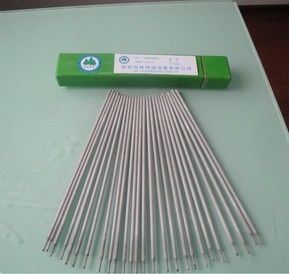
Stainless Steel Welding Electrodes

Stainless Steel Welding Electrodes Supplier & Exporter in UK.

HGC Manchester is one of the prime supplier, stockist, exporter and trader of Stainless Steel Welding Electrodes in Manchester, United Kingdom. These electrodes can be consumed on a widespread variety of materials. We deliver our customers by means of a complete series of cutting and welding consumables for to deliver cost-efficiency and quality in both mechanized along with manual cutting and welding procedures. Superior in quality, these SS Welding Electrodes is being supplied in compliance with national and international design specifications and standards. It has some several outstanding features like deep penetration, low spatter, smooth arc, and so on. Ensuring to give high quality of materials, these can further be custom-made in terms of sizes, shapes and thicknesses as per the precise needs of our venerated patrons.

SS Welding Electrodes, Stainless Steel 308L,309L,310L,316L,347L, 2209, 2509, 385, 410NIMO Welding Electrodes Stockist & Trader in United Kingdom.

pc1730725-stainless_steel_welding_electrodes_e309_16_stainless_steel_welding_rod

Stainless Steel Welding Electrodes Available Grades

  • Stainless Steel 308L Welding Electrodes
  • Stainless Steel 309L Welding Electrodes
  • Stainless Steel 310L Welding Electrodes
  • Stainless Steel 316L Welding Electrodes
  • Stainless Steel 347L Welding Electrodes
  • Stainless Steel 2209 Welding Electrodes
  • Stainless Steel 2509 Welding Electrodes
  • Stainless Steel 385 Welding Electrodes
  • Stainless Steel 410NIMO Welding Electrodes

We deal with top quality products from Esab, Bohler/Thyssen, UTP, Avesta, Sandvik, Kobelco.

For any queries    Contact Us!


Welding Electrodes and Wires

HGC Manchester deals with different grades like

  • Stainless Steel
  • Nickel Alloy
  • Titanium
  • Cobalt
  • Iconel
  • Duplex/Super Duplex
  • Monel

Read more

Tig, Mig, Plasma Torches and Accessories

We supply quality products from the likes of Weldcraft.

Read more

Welding Equipment in UK

We can supply welding equipment like:

  • Single Phase Plasma Cutters
  • 3 Phase Plasma Cutters
  • Single Phase Arc Welders
  • 3 Phase Arc Welders
  • Spot Welding Equipment
  • Engine Driven Welders
  • Ex Demonstration Equipment
  • 3 Phase Mig Welders

We only deal in top quality products from Lincoln / Esab / Miller, Hypertherm, Kemppi. We also supply accessories and spares.

Read more

Explosion Proof Lights

We provide a wide range of lights, fixtures, to be used in hazardous environment like:

  • Oil Rigs and refineries.
  • Paint spray booth
  • Marine/shipboard

Read more

Cuttings Tools in UK

We supply a wide range of cutting tools and accessories:

  • Reamer
  • Taps
  • Drills.

We deal with high quality products from well-known names such as Dormer, and WNT.

  • Walter Cutting Tools
  • Kennametal Cutting Tools

Read more

Powders and Welding Consumables for Hard Facing

We stock and supply products from Eutectic Castolin, Deloro Stellite and Sulzer Metco for aircraft and aerospace industry.

Benefits of Powder welding are:

  • Low Dilution
  • Easy Application
  • Low Distortion
  • Ideal for Edge Building

Read more

Post Welding Heat Treatment Material

  • Ceramic pads
  • Thermocouple wires
  • Camlocks, clampon pipe heaters
  • Insulated track tank heaters etc.

Read more

Electrical Fuses, Sensors and Controls

HGC Manchester is delighted to announce that we can now source electrical fuses, sensors, and controls from the well known brands in the industry. Our diverse portfolio of products, combined with wide stocks and sector specific expertise, ensures that we can satisfy all your Control & Automation needs.

Read more